From Isolation to Belonging: Reflections on Emma’s Talk at the University of Plymouth

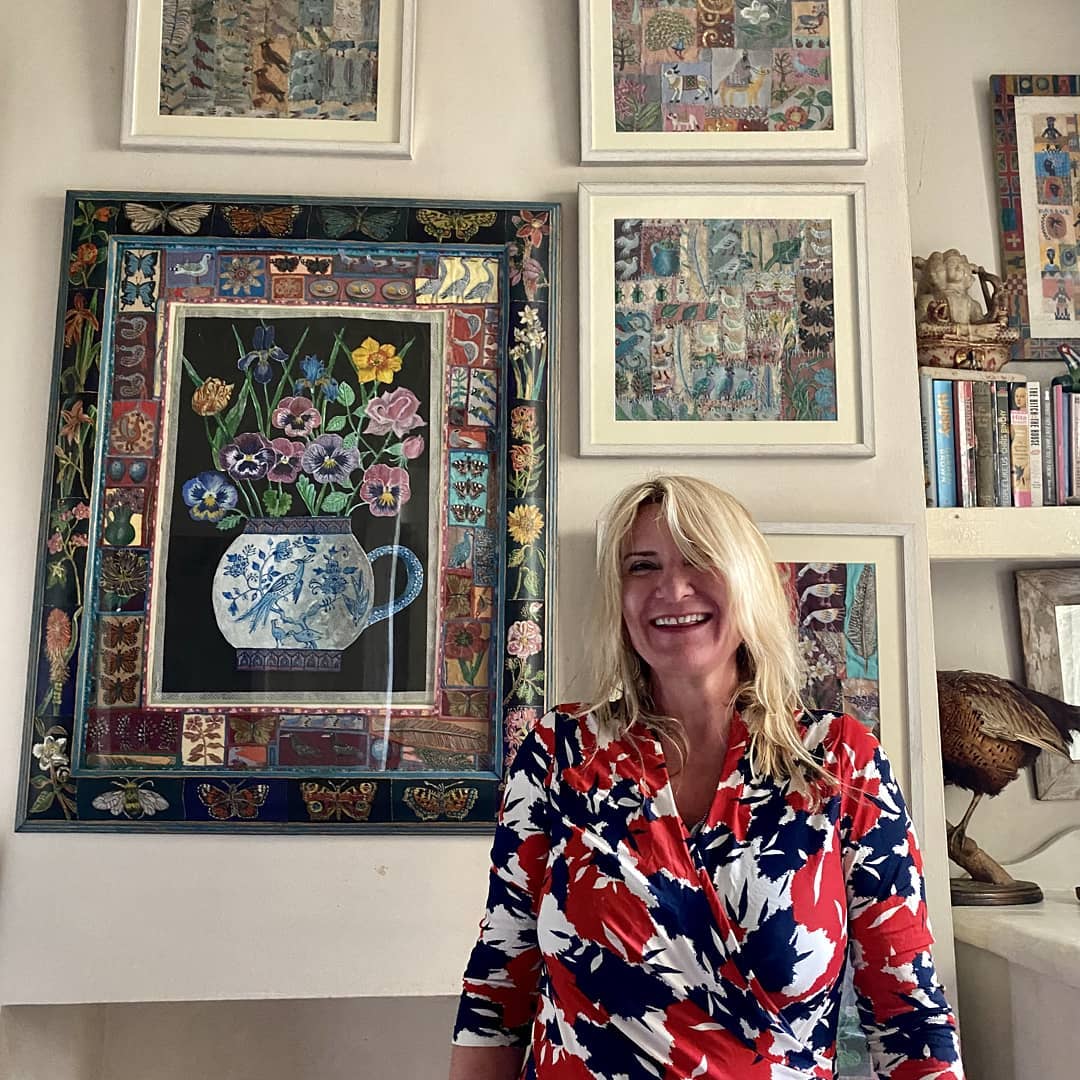
Recently, our co-founder Emma had the honour of speaking at the Goodness of Plymouth event at the University of Plymouth. It was a powerful opportunity to reflect on her own journey and to share the heart of what Mindful Art Club is really about: connection, creativity, and community as antidotes to loneliness and despair.

Emma’s talk centred on a simple but urgent truth, that loneliness is a public health emergency. In a world increasingly shaped by division, technology, and disconnection, many of us are quietly struggling. But, as Emma reminded us, the solution does not have to be complicated.

“The solution to this is simple: connection.”

Voice, Identity, and Community

Emma spoke openly about arriving at a treatment centre in Plymouth in 1999, a turning point that marked the beginning of profound change. After years of struggling with feelings of not being “good enough,” Emma thought she had found belonging for the first time in spaces where people came together through music, movement, and drug use. But, what initially felt like freedom, however, eventually led into a ten-year nightmare of addiction, isolation, and despair.

Yet this story is not one of defeat, it is one of rediscovering voice and identity through community.

Through recovery, Emma found herself drawn to working alongside others, supporting addicts to get clean and rebuild their lives. That journey eventually led to the creation of Mindful Art Club, co-founded with Peggy, rooted in the belief that healing happens best when we do it together.

A central theme of Emma’s talk was the importance of honesty and vulnerability. Too often, we are taught to hide the parts of ourselves that feel messy, painful, or shameful. But Emma challenged this idea directly.

“Being open about what is going on for us shows strength and creates solidarity.”

The more open we are, the less we hide — and the more space we create for trust, compassion, and real connection. When people talk, listen, and are truly heard, something shifts. Shame loosens its grip. Isolation softens. Belonging becomes possible.

Emma closed her talk with a message that felt both grounded and hopeful. Not only is it possible to overcome challenges such as addiction, loneliness, and poor mental health, the process can be fun and fulfilling.

The power of what we do lies in its simplicity. When people are invited to share how they feel, to create together, and to be met without judgement, something remarkable happens. People relax. Smiles appear. Burdens lift.

We were less locked, less burdened. And it was utterly remarkable.”

At Mindful Art Club, we believe deeply in this work. Art can bring communities together. Conversation can change lives. And connection – real, human connection, can help us move from isolation to belonging.

Be sure to like and subscribe to our new YouTube channel and check out our recent videos for more like this! Subscribe so you never miss an episode, and get ready to enjoy our fun tips and tools for managing anxiety with mindful art. 

Finding Your Flow State

In the latest YouTube video, Peggy returns to Wembury Beach, next to the village where she grew up. Surrounded by sea air and childhood memories, she reflects on how her early love of drawing may have been the start of a lifelong relationship with mindfulness and creativity.

Peggy shares that she lived in Wembury from birth until she was around eight years old — and with her usual humour, she jokes that, of course, by the age of eight she had already begun her career as an art and mindfulness facilitator. Her chosen materials? Wax crayon on sugar paper!

It’s a light-hearted memory, but it carries something deeper. Even as a child, Peggy found herself completely absorbed in her art — losing track of time, tuning out the noise around her, and drifting into her own world. She laughs that her teachers might have described this in her school reports as being ‘unable to pay attention’, but looking back, she realises she was actually experiencing what’s now known as a flow state.

What Is a Flow State?

A flow state is a very focused and productive mental state, sometimes called being in the zone. It’s that feeling when you’re so completely immersed in what you’re doing that time seems to disappear — you forget your surroundings, your to-do list fades away, and you feel calm, creative, and fully present.

Psychologists describe the flow state as a place where happiness, creativity, and focus meet. It’s often associated with artists, musicians, and athletes, but anyone can experience it — whether through painting, cooking, gardening, or even tidying a space mindfully.

When we’re in flow, our mind becomes quiet, our stress levels drop, and we feel a sense of deep satisfaction. It’s a natural form of mindfulness, where awareness and action become one.

Returning to Calm Through Creativity

Peggy’s gentle reflections on Wembury Beach remind us that mindfulness isn’t always about sitting still or meditating, it can also be found in those moments of joyful focus, when we’re doing something creative that makes time stand still.

At Mindful Art Club, we celebrate exactly that: the connection between creativity, calm, and emotional wellbeing. Whether you’re colouring with crayons or experimenting with paint, the process of creating can bring a sense of grounding, peace, and joy – just like Peggy felt all those years ago on the Devon coast.

Watch Peggy’s video here: Finding Flow at Wembury Beach on YouTube

Be sure to like and subscribe to our new YouTube channel and find more great videos like this! Subscribe so you never miss an episode, and get ready to enjoy our fun tips and tools for managing anxiety with mindful art. 
Afraid to Eat in Front of Others? Try These 5 Calming Tips!

In her latest video, Peggy comes to us from a peaceful (though very romantic!) little restaurant on the Grand Union Canal . For those who don’t know, Peggy spent many years living and working on canal boats across the country, so it’s no surprise she feels right at home waterside!

As she sits by the canal, Peggy talks openly about something many people struggle with but rarely discuss: the fear of eating in front of others.

These fears even have names:

  • Solomangarephobia — fear of eating alone in public
  • Deipnophobia — fear of eating with, or in front of others

Both are more common than people realise, especially for those who’ve experienced anxiety, trauma, body-image worries, or past criticism around food or table manners.

But the good news? There are ways to feel calmer, more grounded, and more confident. Peggy shares five gentle tips that can help.

5 Calming Tips for Eating in Front of Others

1. Try People-Watching

This simple shift in focus can be surprisingly soothing. By observing the world around you — the chatter, the scenery, the small details — you redirect your attention outward instead of inwards on anxious thoughts.

2. What Other People Think of You Is None of Your Business

A firm favourite in Peggy’s toolkit!
Most people in a café or restaurant are wrapped up in their own day, their own food, their own thoughts. And even if someone did think something… you don’t have to carry it.

3. Bring a Book to the Table

Reading gives your mind something comforting, familiar, and grounding to focus on. It can help break that feeling of being ‘on display’ and bring a sense of normality back to the moment.

4. Eat Mindfully – Focus on the Food

Notice the textures, flavours, colours, and warmth. Eating mindfully not only reduces anxiety, it turns the meal into a sensory experience rather than a stressful one.

5. Gently Explore the Root Cause

Fear around eating in public often comes from earlier experiences, embarrassment, judgement, bullying, cultural expectations, or social anxiety. You don’t have to solve it all at once, but gently exploring where the fear comes from can make it easier to work through over time.

Remember, you’re not alone

Peggy’s canal-side reminder is simple: This fear is more common than you think, and you deserve to feel comfortable and confident when eating, wherever you are. Through mindfulness, self-kindness, and small steps like these, it is possible to soften the anxiety and reclaim the simple pleasure of enjoying food in the world.

Be sure to like and subscribe to our new YouTube channel and check out our recent videos for more like this! Subscribe so you never miss an episode, and get ready to enjoy our fun tips and tools for managing anxiety with mindful art. 

The Surprising Benefits of Neurographic Art

We recently had the pleasure of running a special Mindful Art Club session with Gifted Women, a charity that supports women with multiple disadvantage to access employment opportunities.

The wonderful afternoon was filled with creativity, community and calm using a Mindful Art Club favourite, neurographic art – a gentle drawing technique that encourages relaxation through the process rather than the focus of a final product.

What is neurographic art?

Neurographic art is a therapeutic practice developed by psychologist Pavel Piskarev, as a way to help people process emotions and reduce stress through creative expression!

The idea is simple, instead of trying to draw something ‘perfectly’ (whatever that means anyway!) you draw free-flowing lines, shapes, and patterns that represent your thoughts and feelings. As you add curves, colours, and connecting lines, the picture begins to evolve often in ways you didn’t expect!

Neurographic art is about letting your mind relax while your hand moves freely, simply enjoying the process of creating. The process is recognised for being calming and meditative, helping to quiet those busy thoughts and bring a sense of peace and focus. It’s clear to see why we love neurographic art so much at Mindful Art Club!

Mindfulness and empowerment

Collaborations like this with Gifted Women show how mindfulness and creativity can support mental health, confidence, and emotional wellbeing, especially for women rebuilding their lives and careers. Peggy and Emma were inspired by the openness and creativity in the room, as everyone approached the exercise differently. It was so wonderful to see how mindful art allows for both individuality and connection.

We’re so grateful to have shared this time together and we look forward to more creative partnerships that help people find calm, confidence, and connection through art. Click here to find out more about Gifted Women’s work.

Be sure to like and subscribe to our new YouTube channel and have a look at some of the wonderful art created in this session! Subscribe so you never miss an episode, and get ready to enjoy our fun tips and tools for managing anxiety with mindful art. 
New Women’s Mindful Art Club!

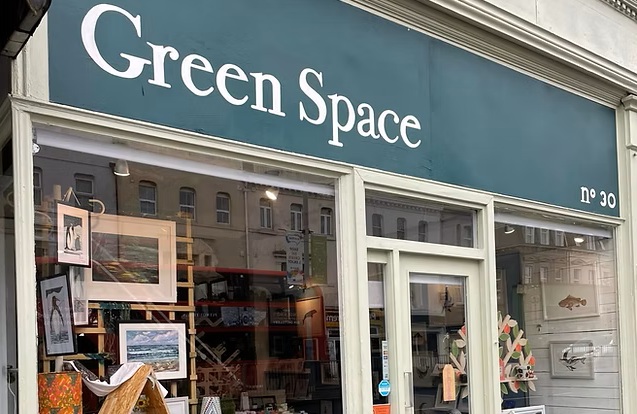
We are pleased to share that as of Friday 17th October, our new Women’s Mindful Art Club has officially launched! Supported by the Livewell Foundation, in the colourful new venue of Greenspace on Mutley Plain, our new group offers women the chance to unwind, express themselves, and connect through mindful art.

Get your free ticket here.

Each session combines art, mindfulness, and gentle conversation, helping members to relax, reduce stress, and nurture their creativity in a safe, friendly environment. And of course, there’s always plenty of laughter too!

We’re happy to be hosting this new group upstairs at Greenspace, 30 Mutley Plain, a welcoming and inclusive community venue that perfectly fits our mindful, creative approach. You can find out more about Greenspace here!

If you’ve been thinking about joining one of our sessions but felt a bit nervous, we think this is the perfect time to give it a try. Because the group is brand new, everyone is finding their feet together which means you won’t be the only new face! It’s a lovely opportunity to connect with others, share a few laughs, and start something positive for your mental health and wellbeing in a supportive space.

Member inspiration!

The last session at the Unitarian Church hall was inspired by a suggestion from one of our members, leading to a really playful afternoon.

We think this video perfectly captures the light-hearted spirit of the women’s group. Instead of adding background music, group members decided to make their own soundtrack – yes, a spontaneous tune broke out in Mindful Art Club! We’re not expecting a chart-topping single anytime soon, but the joy was absolutely contagious and we think this provides a great insight into the warm and inviting nature of Mindful Art Club.

The goal of Mindful Art Club isn’t creating ‘perfect’ artwork, it’s about being present, having fun, and connecting with others. The group’s laughter and creativity in this video show just how art and mindfulness can support mental health while building community and confidence.

Be sure to like and subscribe to our new YouTube channel so you never miss an episode, and get ready to enjoy our fun tips and tools for managing anxiety with mindful art. 

A Mindful Reflection with Peggy

In the latest YouTube Short, Peggy takes a quiet moment next to the River Plym to reflect on anxiety, mindfulness and hope. Surrounded by nature, Peggy shares openly about how overwhelming anxiety can get; the racing mind, the endless problem-solving and just how out of reach ‘calm’ can feel. The background music repeats a simple phrase that ties everything together, ‘a change is coming’, a reminder to hope and to believe.

Peggy’s calmnness brings such a sense of connection and reassurance, capturing a truth many of us recognise: that anxiety is exhausting, but we are not alone in it. She invites viewers to pause for a moment of reflection, to think about the changes they hope to see in their lives as they begin to manage their anxiety and find more peace. It’s a gentle encouragement to believe that things can get better, even if the process takes time.

Set in the wild Dartmoor landscape, this video feels like a deep breath: simple, soothing, and full of quiet optimism.

Calm Through Creativity

At Mindful Art Club, we believe that mindfulness and creativity go hand in hand when it comes to supporting mental health and wellbeing. Whether through painting, drawing, journaling, or simply taking mindful moments like this one, creativity offers space to breathe, reflect, and reconnect.

Peggy’s Dartmoor reflection is a good reminder that even the smallest mindful pause can make a difference, and that with patience, kindness, and self-belief, change really is coming.

Be sure to like and subscribe to our new YouTube channel so you never miss an episode, and get ready to enjoy our fun tips and tools for managing anxiety with mindful art. 

Video Short: Finding Calm in Nature

Peggy, Co-Founder of Mindful Art Club, loves to share how much nature has helped her with anxiety. Recently, she found herself sitting on Dartmoor in South Devon, right next to the River Plym. Surrounded by trees and the sound of flowing water, she reflected on how simply being outdoors makes it so much easier to feel relaxed.

For Peggy, nature has always been a safe place. She explains that it’s not just a feeling, science shows that spending time outside really does reduce stress and calm the body. “It’s good for your anxiety,” she says, “and it makes such a difference just to sit quietly and breathe.”

Peggy also speaks openly about what her own anxiety has felt like in the past. She remembers waking up in the morning and, for a brief moment, feeling okay—until the heavy dread came crashing down. Her body would suddenly be flooded with cortisol and adrenaline, leaving her overwhelmed. “That’s just anxiety doing its thing,” she admits, “but it can really get to you.”

Even so, Peggy’s message is one of encouragement. She wants people to know that things can change, and that healing is possible. “The change is coming,” she says with confidence.

Through Mindful Art Club, Peggy continues to remind others that small, simple steps like stepping outside, sitting under a tree, or listening to a river can help bring calm, connection, and hope.

Mindful Art in Nature

Alongside the natural sense of calm, Peggy encourages practising mindfulness while outside. This might mean noticing the sound of birds, paying attention to the patterns in leaves, or simply feeling the texture of the earth beneath your hands. By slowing down and observing these small details, the mind begins to soften and quieten.

For Peggy, art and creativity naturally flow from these mindful moments. Some people might bring a sketchbook to capture what they see, while others create simple patterns from stones, leaves, or twigs. These activities aren’t about creating a perfect piece of art, they’re about connecting with the present moment. “Art already exists in nature,” Peggy says, “and sometimes all we do is give it a little space to appear.”

Be sure to like and subscribe to our new YouTube channel so you never miss an episode, and get ready to enjoy our fun tips and tools for managing anxiety with mindful art. 

Book Now: One Day Retreat

It’s almost summer, and we are excited to announce the return of our outdoor retreats, on Sunday 3rd July. Join us for a day of laughter, conversation, mindfulness and art, surrounded by the peacefulness of nature. If you enjoy our weekly mindful art groups you will love our full day of relaxing activities.

  • Guided mindfulness with Emma
  • Qi Gong with Lee
  • Simple art activities with Peggy
  • Nature walk with everyone!
  • Lunch, tea, coffee and cake included

Read more: Mindful Art Retreats

These always sell out, so book soon if you would like a place. If you work in any kind of support services, we also offer these to organisations to improve your clients mental health. Alternatively book a retreat for your staff wellbeing. Contact us to find out more.

Five Senses Grounding Exercise

  • Feeling stressed or unfocussed?
  • No time for mindfulness?
  • But you need a quick break?

Try this 3 minute recording now.

Easily tune into your five senses

Focus on the environment around you

Let go of unwanted thoughts

Bring yourself back to the present moment

I woke up one morning feeling very disconnected from life. I looked at my emails and found Emma’s recording of the five steps of mindfulness. After playing it I felt much better and able to do things with the day.

Mindful Art Club participant

This guided mindfulness recording features Emma Sprawson, (voiceover) and Lee Squires playing the tongue drum, a steel instrument with a soft meditative sound quality.

Buy Now

Only 99p!

https://payhip.com/b/9wnt5

Every purchase helps to support our social enterprise, so that we can offer our service to the people who need it most.

Enjoy this blog? Please spread the word :)

Follow by Email
YouTube
YouTube
LinkedIn
INSTAGRAM